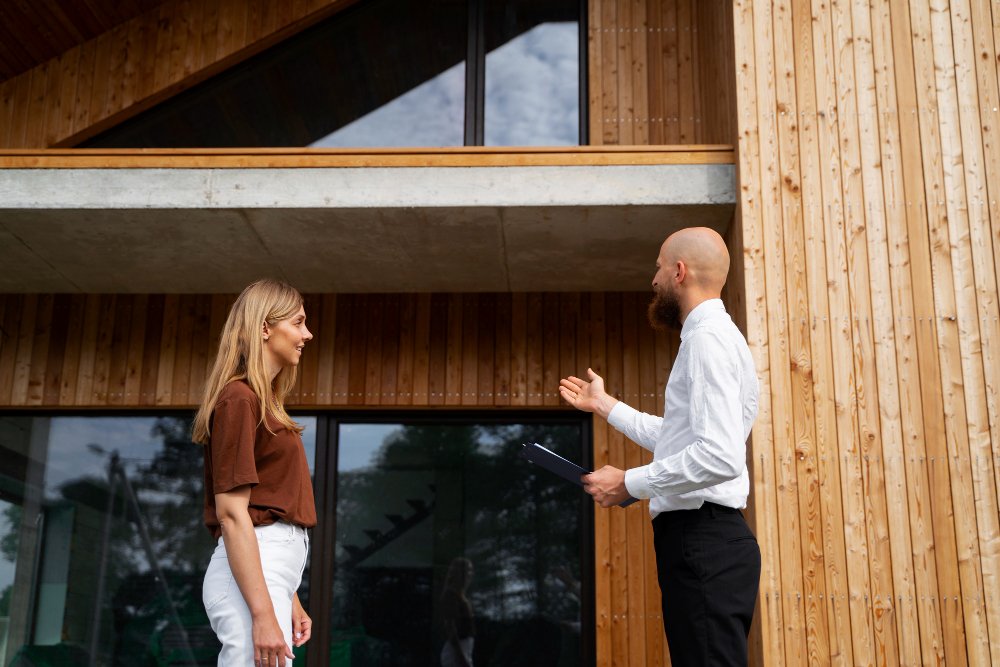
Among the many materials used in exterior remodeling, plywood siding stands out for its natural warmth, timeless aesthetic, and enduring strength. It bridges the gap between traditional craftsmanship and modern performance, offering homeowners a cost-effective and beautiful alternative to more industrial siding types. When properly installed and maintained, plywood siding delivers both charm and resilience — a combination that continues to make it a favorite for remodelers and designers alike.
The Natural Appeal of Wood-Based Siding
Wood has long been celebrated for its ability to bring texture, warmth, and authenticity to home design. Plywood siding retains that organic feel while enhancing durability through engineered construction. Made from layers of real wood veneer bonded together under heat and pressure, plywood panels provide the rich, tactile quality of natural wood with greater stability and resistance to warping or cracking.
Why Homeowners Choose Plywood Siding
Plywood siding offers an appealing balance of affordability, flexibility, and visual appeal. It’s easy to work with, accepts paint and stain beautifully, and allows for quick installation. Homeowners appreciate its versatility — from rustic board-and-batten styles to sleek horizontal panels that suit modern architectural designs.
- Warm, Organic Aesthetic: Enhances curb appeal with a natural wood look.
- Custom Finishes: Can be painted, stained, or treated to match any exterior style.
- Lightweight & Easy to Install: Reduces labor costs and installation time.
- Renewable Resource: Made from sustainably harvested wood for eco-conscious homeowners.
Durability and Weather Resistance
Modern plywood siding is engineered to withstand the elements. With proper sealing and maintenance, it resists moisture intrusion, rot, and pests. Many manufacturers offer treated or primed options that improve longevity, particularly in regions with fluctuating weather patterns. Sacramento homeowners, for instance, benefit from plywood siding’s ability to handle both dry heat and seasonal rain without losing integrity or appeal.
Design Versatility Across Styles
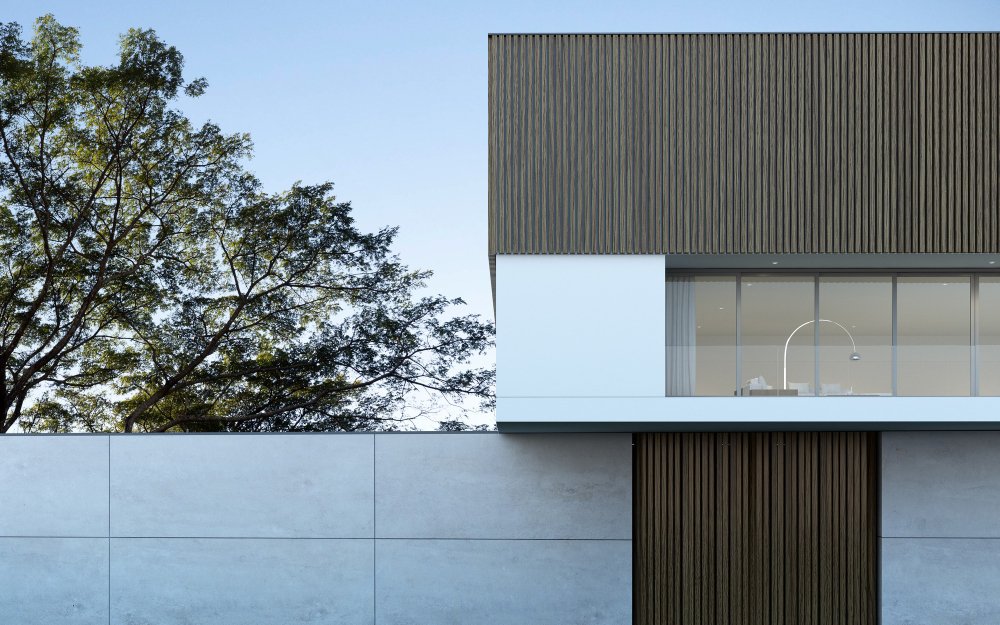
From mid-century modern to classic craftsman homes, plywood siding adapts beautifully. Smooth panels create a contemporary aesthetic, while grooved or textured finishes evoke a more traditional charm. Designers often use plywood siding as an accent alongside materials like stone or cement siding to achieve visual depth and architectural balance. Its flexibility makes it a strong contender for both new builds and renovation projects.
Maintenance and Longevity
While plywood siding requires more maintenance than synthetic alternatives, proper care significantly extends its lifespan. Regular sealing, staining, or painting protects against UV exposure and moisture. Cleaning the surface annually and inspecting joints and caulking helps prevent minor issues from developing into costly repairs. With consistent upkeep, plywood siding can last 30 years or more — offering decades of warmth and reliability.
Energy Efficiency and Comfort
Wood is a natural insulator, helping homes maintain comfortable indoor temperatures year-round. When combined with quality underlayment or insulation boards, plywood siding contributes to energy efficiency and reduces heating and cooling costs. This makes it a functional as well as aesthetic upgrade for homeowners focused on comfort and sustainability.
Environmental Responsibility
Because it’s made from renewable materials, plywood siding is one of the most eco-friendly exterior cladding choices. Many products are manufactured from responsibly sourced wood and use low-emission adhesives. Choosing sustainably produced siding not only supports environmental conservation but also promotes healthier living spaces through improved indoor air quality.
Installation Best Practices
Professional installation is critical to ensuring plywood siding performs as intended. Installers must properly flash and seal seams to prevent water intrusion. Adequate ventilation behind the siding allows for moisture evaporation, which helps maintain panel stability. Homeowners who partner with experienced exterior remodelers can expect flawless installation and long-lasting results.
Combining Plywood with Modern Materials
Many designers are now mixing wood-based siding with modern elements such as metal, fiber cement, or glass for striking contrast. This hybrid approach balances natural charm with architectural edge, creating exteriors that feel both grounded and contemporary. Plywood’s warmth softens hard surfaces, resulting in exteriors that feel inviting, sophisticated, and uniquely personal.
Conclusion: Timeless Warmth with Modern Strength
Plywood siding proves that beauty and strength can coexist effortlessly. With its organic character, versatility, and resilience, it continues to be a favorite among homeowners seeking authenticity in design. When maintained properly, it offers decades of performance — a testament to how natural materials, when crafted with care, can stand the test of time in the modern home.