A home’s exterior serves multiple purposes at once. It protects the structure from weather, contributes to energy efficiency, influences maintenance costs, and creates the first impression for visitors and potential buyers. Modern exterior design is no longer based solely on aesthetics—it combines engineering, material science, and architectural planning to improve long-term performance while enhancing curb appeal.
Research from the remodeling and real estate industries consistently shows that exterior improvements remain among the projects homeowners prioritize because they influence both everyday satisfaction and resale appeal.
- Exterior renovations are consistently ranked among the highest-value home improvement projects.
- First impressions are formed before visitors enter the home, making façade design a major contributor to perceived property quality.
- Modern building materials are engineered to improve durability while reducing long-term maintenance requirements.
Exterior Design Influences More Than Appearance
Every exterior component contributes to the overall performance of a home. Roofing, siding, windows, insulation, and landscaping work together as a complete building envelope that protects against moisture, temperature fluctuations, and environmental exposure.
| Exterior Element | Primary Function | Long-Term Benefit |
|---|---|---|
| Siding | Weather protection | Reduced maintenance |
| Roofing | Water management | Structural protection |
| Windows | Natural light and insulation | Improved energy efficiency |
| Exterior Lighting | Visibility and security | Enhanced curb appeal |
| Landscaping | Visual integration | Improved outdoor experience |
Design professionals generally recommend selecting materials that complement both the home’s architectural style and the local climate. Homes designed with balanced proportions, coordinated materials, and consistent detailing typically maintain their visual appeal longer than those built around rapidly changing trends.
- High-quality exterior materials generally require fewer repairs over their service life.
- Coordinated architectural design contributes to stronger perceived property value.
- Preventative maintenance extends the lifespan of nearly every exterior system.
Modern Materials Improve Long-Term Performance
Today’s exterior products are engineered to deliver significantly better durability than many traditional building materials. Manufacturers continue developing products that resist fading, moisture intrusion, insect damage, ultraviolet exposure, and temperature-related movement.
| Material | Primary Advantage | Maintenance Level |
|---|---|---|
| Fiber Cement | Excellent durability | Low |
| Engineered Wood | Natural appearance | Moderate |
| Vinyl Siding | Affordability | Low |
| Metal Roofing | Long lifespan | Low |
| Composite Trim | Moisture resistance | Very Low |
Material selection also affects long-term operating costs. Durable products often reduce maintenance frequency while helping preserve curb appeal over many years.
- Insulated exterior systems help reduce heat transfer through wall assemblies.
- Reflective roofing materials may lower roof surface temperatures during warm weather.
- Weather-resistant finishes reduce repainting frequency in many climates.
Energy Efficiency Begins Outside the Home
Exterior improvements frequently provide opportunities to enhance overall building efficiency. Well-insulated walls, energy-efficient windows, air barriers, and modern roofing systems all contribute to improved indoor comfort.
Rather than relying on a single product, successful energy-efficient homes combine multiple components into one integrated system.
| Upgrade | Performance Benefit | Potential Long-Term Impact |
|---|---|---|
| Insulated Siding | Reduced thermal transfer | Improved comfort |
| Energy-Efficient Windows | Lower heat gain and loss | Reduced HVAC demand |
| Weather Barriers | Moisture management | Longer structural lifespan |
| Reflective Roofing | Reduced heat absorption | Lower cooling requirements |
- Building envelope improvements work most effectively when combined rather than installed individually.
- Proper installation contributes as much to long-term performance as product selection.
- Energy-efficient exterior systems improve both comfort and durability.
Thoughtful Design Creates Lasting Value
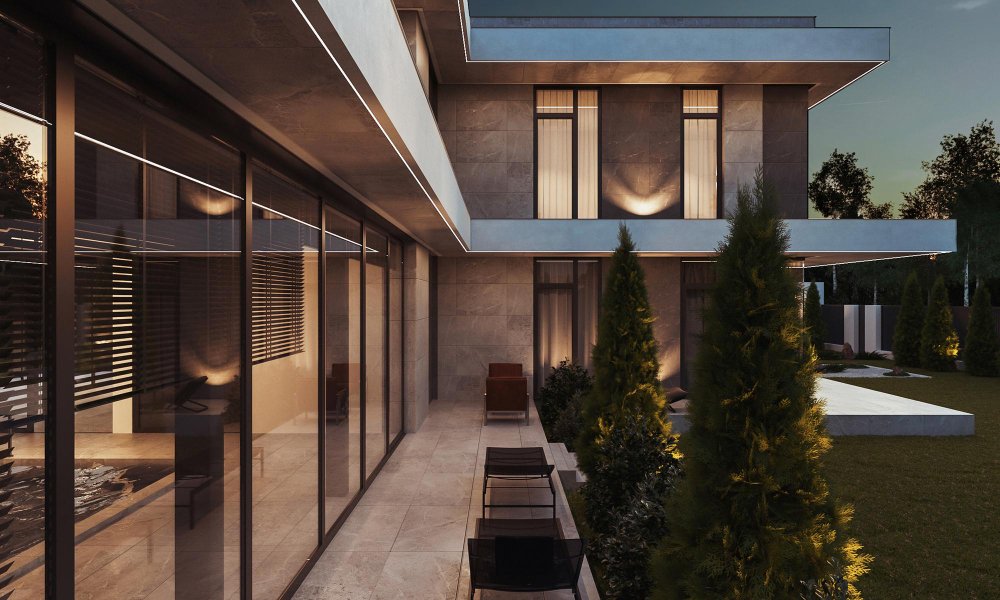
Exterior design extends beyond walls and roofing. Landscaping, architectural lighting, entry doors, trim details, and coordinated color palettes all influence how a property is perceived.
Homes that balance durable materials, architectural consistency, efficient building systems, and thoughtful maintenance planning tend to perform better over time while maintaining stronger visual appeal.
Ultimately, successful exterior design is built on measurable performance as much as visual beauty. When homeowners combine quality materials, sustainable practices, professional installation, and timeless architectural principles, they create homes that remain attractive, efficient, and resilient for decades to come.